Call Today:
206-790-2186

Revitalized Entry Deck to Stainless Steel Cable
Woodinville, WA

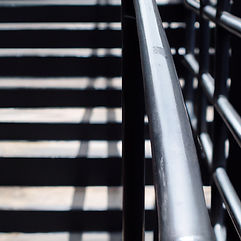
This entry deck project in Woodinville, Washington modernized the entrance of a commercial office building with the installation of a sleek aluminum frame and stainless steel cable railing system. The previous railing featured traditional wood pickets, which felt visually heavy and dated compared to the building’s contemporary exterior.
By replacing the wood balusters with a modern cable railing design, the entry deck now feels more open, refined, and welcoming for visitors and staff. The powder-coated aluminum frame offers long-term durability and low maintenance—an ideal solution for commercial environments—while the stainless steel cable infill introduces clean horizontal lines that complement the building’s modern architecture.
Careful layout, precise post placement, and accurate cable tensioning were essential to achieve the crisp, uniform appearance cable railing systems are known for. Each section was installed to meet safety and code requirements while maintaining the clean, architectural aesthetic of the space.
The finished installation creates a professional and contemporary entrance that enhances the building’s curb appeal. This project demonstrates how upgrading from traditional wood pickets to a durable aluminum and stainless steel cable railing system can significantly improve both the appearance and functionality of a commercial entry space.
Rail Type: Outdoor Railing
Rail Design: Stainless Steel Cable
Powder Coat Color: Black Semi-gloss
Top Channel Size: 3x1.5 inch rectangle on Deck. 2x1 inch rectangle on stairs
Post size: 2x2inch square
Mounting Plate Size: 4x4 inch plates
Mounting Type: Fascia mount (side mount)


From Start to Finish
Every outdoor railing project starts with understanding how you use your space.
01.
Design Consultation
We discuss your goals, style, and structural conditions.
02.
Site Measure
Our team precisely measures your layout and mounting points.
03.
CAD Drawings
Detailed drawings ensure every angle, post location, and spacing fits perfectly.
04.
Fabrication
Your railing is built in our shop with meticulous quality control.
05.
Installation
Our trained team installs efficiently — often in a single day.
Fully Welded Railing Systems
vs.
Component Railing Systems

When selecting a railing system for a home or outdoor living space, homeowners often choose between two primary construction methods: fully welded railing systems and component railing systems. While both options can provide safety and visual appeal, a fully welded system offers significant advantages in strength, longevity, precision, and overall craftsmanship. Understanding these differences can help homeowners choose a railing solution that delivers both lasting performance and refined design.
Structural Strength and Long-Term Durability
One of the most important advantages of a fully welded railing system is its structural integrity. In a welded system, each connection point is permanently fused together through welding rather than relying on mechanical fasteners or connectors. This creates a single, unified structure that distributes loads more evenly and resists movement over time.
Component railing systems, by contrast, are assembled using brackets, screws, and prefabricated connectors. While these systems can be functional, the multiple connection points may loosen over time due to temperature changes, regular use, or environmental exposure. Fully welded railings eliminate these potential weak points, resulting in a stronger and more durable structure designed to withstand decades of use.
Precision Craftsmanship and Custom Fit
Fully welded railings are typically custom fabricated to match the exact dimensions and layout of the space. Every angle, elevation change, and transition is measured and built specifically for the project. This allows the railing to integrate seamlessly with stairs, decks, landings, and architectural features.
Component systems are usually manufactured in standardized sections that must be adapted to fit a space. While this can be convenient for mass-produced installations, it often results in compromises in alignment, spacing, or visual flow. A fully welded railing system ensures that each section fits precisely, creating a more cohesive and polished finished product.
Clean, Seamless Appearance
A key aesthetic advantage of fully welded railings is their clean and seamless appearance. Because the components are welded together during fabrication, the finished railing has smooth transitions and consistent lines without visible brackets or connection hardware.
Component systems often rely on exposed fasteners and attachment points that can interrupt the design and draw attention away from the railing itself. For homeowners seeking a modern, architectural look—especially with styles such as horizontal bar railings, glass systems, or cable railings—a fully welded approach delivers a much more refined and intentional visual result.
Superior Finish Quality
Fully welded railings are typically fabricated as complete sections before being finished, allowing the entire structure to receive a consistent coating such as powder coating. This process ensures that every surface is evenly protected, improving both appearance and corrosion resistance.
With component systems, individual parts are often finished separately before being assembled on-site. During installation, hardware connections and cut edges may become exposed, which can affect both the appearance and long-term durability of the finish. A fully welded system provides a uniform finish that better protects the railing from weather and wear.
Reduced Maintenance Over Time
Because welded railings have fewer mechanical connections, they generally require less maintenance over their lifespan. The absence of bolts, brackets, and modular connectors means there are fewer components that can loosen, shift, or require adjustment over time.
Component railing systems may need periodic tightening or replacement of hardware as the system experiences normal wear and environmental exposure. A fully welded railing minimizes these maintenance concerns, offering homeowners a more dependable and long-lasting solution.
Design Flexibility and Customization
Fully welded systems allow for greater design freedom and customization. Fabricators can create unique layouts, integrate custom features, and adapt the railing design to complement the home’s architecture. Whether the project involves multi-level decks, complex staircases, or distinctive architectural elements, a welded system can be tailored to fit the space perfectly.
Component systems are limited by the prefabricated parts available within the product line. While they can provide basic solutions, they often lack the flexibility required for truly custom projects.
A Long-Term Investment in Craftsmanship
Ultimately, a fully welded railing system represents a higher level of craftsmanship and attention to detail. While component systems may offer a quicker installation process, fully welded railings deliver greater structural strength, refined aesthetics, and long-term reliability.
For homeowners who value durability, architectural design, and lasting quality, a fully welded custom railing system provides a superior solution that enhances both the beauty and functionality of the space for years to come.
Call Today
206-790-2186