Call Today:
206-790-2186

Handrail
Railing System In Ferndale & Bellingham, WA

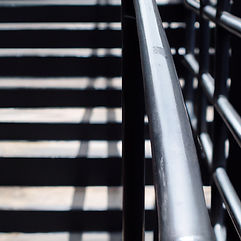
Handrails and grab rails are essential for ensuring safety and accessibility in any home or building. They provide reliable support when navigating stairs, ramps, and walkways, helping to reduce the risk of slips and falls.
Designed for both function and aesthetics, handrails are available in a variety of profiles, finishes, and mounting styles to complement your space. Whether integrated into a railing system or installed as a standalone solution, they offer a clean, architectural element while meeting code requirements.
Prioritizing a well-designed, sturdy handrail ensures both safety and a cohesive, finished look for your project.


Design Your Custom Railing System
Every project is different, and our team is here to help guide you through the design process. From selecting the right profiles and finishes to determining the best mounting method, we work with you to create a railing system that fits your space and vision.
Have a project in mind? Let’s design your railing system.
Handrail - Railing Design Options
Built Around the Details
Explore custom railing design options including powder-coated color finishes, top channel profiles, vertical pickets, post sizes, mounting types, and base plate details. Every railing system is designed to fit the style, structure, and needs of your project.

Color Options
Choose a powder-coated finish that complements your home or project.
Standard Colors
Black and White semi-gloss powder coat come standard with our railing systems.
Custom Colors
Select from our custom color chart, including Matte Black and other specialty finishes.
Color Match
Looking for a specific color? Our team can help source a powder coat finish that closely matches your desired color.

Top Channel Profiles
The top channel profile defines both the appearance and functionality of your railing system. We offer several options to suit different architectural styles and preferences.
Round Pipe
Offering a fully graspable profile that meets handrail code requirements. This classic shape provides a smooth, continuous grip that is comfortable to hold and easy to use for all ages.
Dimensions: 1.6" diameter
Rectangle with Eased Edges
Delivering a modern, architectural appearance while maintaining a user-friendly and graspable design. The eased edges improve comfort while preserving clean, defined lines.
Dimensions: 2" wide × 1" tall
Flat Bar
Typically used as a base for a wood top rail (wood topper). This low-profile option allows the wood cap to be fastened from underneath, creating a clean, seamless appearance with no visible fasteners. Ideal for projects looking to combine the warmth of wood with the strength and durability of an aluminum railing system.
Typical dimensions: 2" wide × 1/4" thick

Post Sizes
Posts provide the structural support that anchors the railing system while influencing the overall visual style.
1.6" Round Pipe
Designed to pair seamlessly with the 1.6" round top channel, creating a clean, consistent, and modern look.
2" × 2" Square Post
Our standard post for exterior railing systems, offering a balanced and symmetrical look with square pickets.
2" × 1.5" Rectangular Post
A slimmer profile often used for stair railings or handrails when a more streamlined appearance is desired.
1.5" × 1.5" Square Post
A minimalist option commonly used for stair railings or interior handrails where a lower-profile look is preferred.
Custom Options
Additional sizes may be available depending on your project requirements and design preferences.

Mounting Types
Posts are mounted directly to the top surface of the stair tread or landing. This method provides a strong, stable connection and is commonly used where surface mounting is preferred.
Top Mount (Post Mount)
Posts are mounted directly to the top surface of the stair tread or landing. A 4" × 4" × 1/4" base plate is attached to the bottom of the post and typically secured with four lag bolts or mechanical anchors, providing a strong and stable connection.
Fascia/ Side Mount (Post Mount)
Posts are mounted to the side of the stair stringer or structural surface. A 4" × 4" × 1/4" base plate is attached to the side of the post and typically secured with four lag bolts or mechanical anchors, creating a clean edge detail while maximizing usable stair space.
Side Mount (Wall or Railing Mount)
Handrails are mounted to the side of a wall or directly to a railing system using brackets. This is a common solution for code-compliant handrails and provides continuous support while maintaining a clean, minimal appearance.
Custom Mounting Types
Custom mounting options may be available depending on your project requirements and design preferences.

Infill Options
For most open home entry stairs or low-level decks that are less than 30" above the walking surface, only a handrail system is typically required. This applies to staircases that do not have adjacent walls or a built-in half-height wall. In cases where a wall or half wall is present, a wall-mounted handrail is often sufficient to meet code requirements.
In these open applications, an infill system is not required unless desired for added safety or aesthetic preference. Many homeowners still choose to incorporate an infill system to create a more complete, cohesive look that matches adjacent railings or architectural elements.
Handrail and infill requirements ultimately depend on the overall height of the staircase and how the system is being used. Proper design ensures both safety and code compliance while maintaining a clean, well-integrated appearance.
Height-Based Requirements
If the total rise of the staircase is 30" or less, a handrail system alone is typically sufficient. This may include wall-mounted or post-mounted handrails designed to provide reliable support and meet graspability requirements, while maintaining a clean and minimal profile.
If the staircase exceeds 30" in height, a guardrail system is required. In this case, the railing must include an infill system designed to prevent the passage of a 4" sphere, ensuring safety and code compliance while also meeting graspability requirements where applicable. This typically means integrating one of our railing systems or incorporating a separate handrail where needed.
Infill Requirement (Guardrail Systems)
If a guardrail is required or desired for aesthetics, one of our railing systems can be used to provide proper infill and structural protection. These systems are designed to integrate seamlessly with your staircase, offering both safety and a refined architectural appearance.
Whether the goal is to maintain open views, create visual structure, or match surrounding railings, each infill option is designed to meet code while enhancing the overall design of the space.
Classic Vertical Picket
A classic and timeless style offering structure, safety, and visual balance. Vertical pickets provide a defined, traditional look while maintaining open visibility, making them a versatile option for both modern and traditional spaces.
→ See more about this Railing System
Horizontal Bar Picket
A modern option defined by clean, horizontal lines that enhance the architectural look of the staircase. This style creates a strong visual statement while maintaining safety and durability for both interior and exterior applications.
→ See more about this Railing System
Stainless Steel Cable
A contemporary system featuring tensioned stainless steel cables that provide open sightlines and a minimal profile. This option is ideal for preserving views while delivering strength and long-term performance.
→ See more about this Railing System
Framed Glass
Combines clear or frosted glass panels within a framed system to create a clean, modern look. This option maintains structure while allowing for a top rail that can integrate seamlessly into the overall design.
→ See more about this Railing System

Code Requirements & Height Guidelines
Proper guardrail and handrail design is essential for safety, accessibility, and code compliance. Requirements can vary depending on the application, so it’s important to ensure the system is designed correctly for your specific project.
Residential Applications
For residential applications, guardrails are required to have a minimum height of 36 inches, measured from the leading edge of the stair tread (nosing). In many cases, the guardrail can also function as the required handrail, provided it meets graspability requirements. A compliant handrail must be graspable, continuous along the stair run, and installed at a height between 34" and 38". Certain top channel profiles may meet these requirements, while others may require a separate handrail to be added.
Commercial and Multi-Family Applications
For commercial and multi-family applications, guardrails must have a minimum height of 42 inches. Because this height typically exceeds the allowable handrail height range, a separate, code-compliant handrail system must be installed in addition to the guardrail. This handrail must be graspable, continuous, and properly returned at the ends to meet accessibility and safety standards.
Spacing Rule
In addition to height requirements, spacing and infill design must also meet code. Openings within the railing system are typically required to prevent the passage of a 4-inch sphere, ensuring safety for occupants. Cable, picket, and glass systems must be properly designed and installed to meet these requirements.
Because building codes and interpretations can vary by jurisdiction, every project is evaluated based on local code requirements and site conditions. Our team works closely with you to ensure your railing system is both compliant and thoughtfully integrated into the overall design.
Quick Code Reference
-
Residential Guardrail Height — Minimum 36"
-
Commercial / Multi-Family Guardrail Height — Minimum 42"
-
Handrail Height — 34"–38" above stair nosing
-
Handrail Requirement
-
Residential: May be integrated into guardrail if graspable
-
Commercial: Separate handrail required
-
-
Graspability — Handrail must be easy to grip and continuous along the stair run
-
Infill Spacing Rule — Openings must not allow passage of a 4" sphere

Railings Where They Matter Most
Common Areas Where Railings Are Installed
01.
Our custom outdoor railing systems are measured, fabricated, and installed to fit your space perfectly.
02.
Your indoor railing should do more than meet a code requirement — it should elevate your space.
03.
Your deck is your place to relax and not have to worry about upkeep, rust, or broken posts.
04.
Your porch is the first thing people notice when they arrive, and the railing plays a huge role in both safety and style.
05.
Your stair railing should feel secure, look intentional, and stand up to daily wear without constant upkeep.
Call Today
206-790-2186